Key Terminology for Sellers
This may be the first time you’ve ever bought real estate, or it may have been awhile since you have been involved in a transaction Here is a quick refresher on some of the real estate specific terms you’ll want to know.
Appraisal:
When an offer is received on your home, the buyers’ lender most likely will require an official appraisal of the property from a licensed appraiser. This valuation helps assure the lender that they would own a marketable property if the buyer (or the borrower in the lender’s eyes) should default on their mortgage.
BINSR (Buyer’s Inspection Notice Seller Response):
The BINSR is a notice document which the buyer uses to provide the seller notice regarding those items the buyer disapproves of or may need repairs during the inspection period. See contract for dates.
Closing Costs:
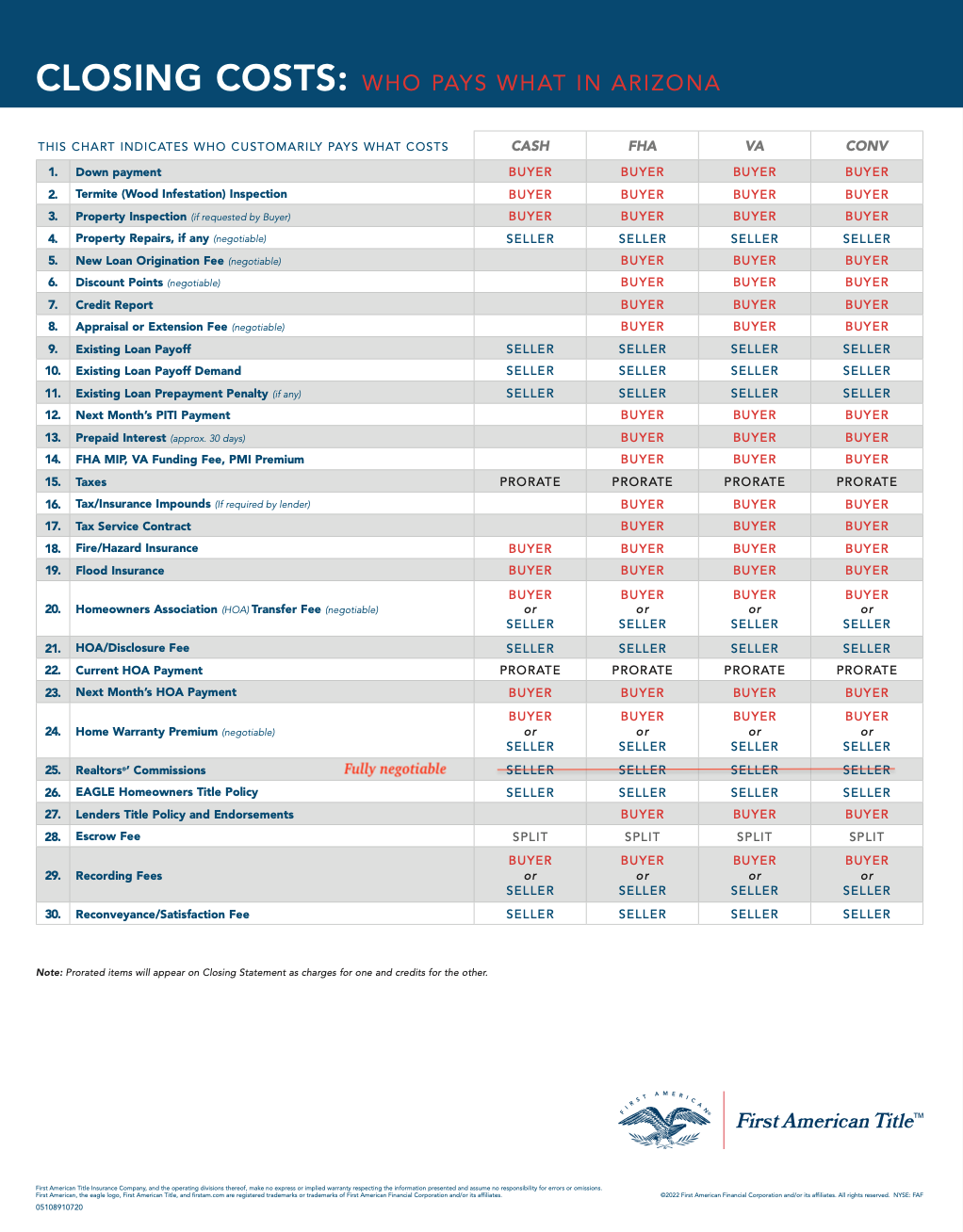
Al closing costs associated with the sale of your home are provided to both buyer and seller on the Closing Disclosure form. In some cases, buyers make a request for you to cover some of their closing costs as a part of their offer. Buyers have the option to request concessions and can be negotiated by your REALTOR® if advantageous
Closing Disclosure:
A Closing Disclosure is a five-page form that provides final details about the mortgage loan you have selected. tI includes the loan terms, your projected monthly payments, and how much you will pay in fees and other costs to get your mortgage (closing costs). The lender is required to give you the Closing Disclosure at least three business days before you close on the mortgage loan.
Escrow Officer & Company:
An escrow officer is an unbiased third party who ensures a real estate transaction is correctly carried out by buyers, sellers and REALTORS® involved in the purchase or sale of a property. Escrow officers oversee the terms of a contract, and handles all funds including earnest money and all bills or liens related to the property. They ensure all parties are honored.
Inspections:
The goal of home inspections are to give the buyer and seller an objective, independent, and comprehensive analysis of the physical condition of the property and check for any safety issues that might otherwise be unknown. Professional inspectors will do general inspections on the property’s many components as well as specialists such as root, HVAC, sewer/septic, and pool. tI is recommended by REALTORS® that buyers obtain home inspections and can assist in the scheduling process.
Insurance Claims History Report:
Loss runs are a written report that provides a snapshot of a property’s past insurance claims. These reports are generated by the insurance carrier and include details such as the type of claim, when it occurred, and how much has been paid out by the carrier. This provides a home buyer with a detailed overview of any homeowner’s insurance claims that have been filed and made on a house- Arizona requires the last 5 years or the time the seller has owned the home, whichever is shorter.
The Multiple Listing Service (MLS):
The Multiple Listing Service is a local database of all properties currently under an active listing contract in a given area. Al active agents and brokers who belong to this MLS will have access to information about your property listing. Buyer’s agents searching for a new home for their clients will learn about your property listing through this online database. There are different MLSs for different regions, such as MLSSAZ (Multiple Listing Service of Southern Arizona) or ARMLS (Arizona Regional Multiple Listing Service).
Prequalification & Verification Funds:
A pre-approval letter and proof of funds letter are not the same. A pre-approval letter is a document stating that a lender will provide a buyer with a loan. In contrast, a proof of funds letter states that a buyer has funds available to pay for the costs associated with the purchase of a home. DO NOT send copies of bank statements.
Property Disclosures:
The sellers) will be asked to fill out a disclosure statement that will list “material facts” about problems they are aware of regarding the condition and history of the property. Both federal and state laws govern what must be disclosed during a property sale and as the homeowner, you must be the person to complete these disclosure forms. By law, your real estate agent cannot complete these forms for you.
Some Examples of Disclosures are:
• Seller Property Disclosure Statement
• Lead-Based Paint Disclosure
• Disclosure Regarding the Vicinity of an Airport
• Sewer/Septic • Mold
• Affidavit of Disclosure
Settlement Statement:
Sometimes referred to as the “Closing Statement”, this document is originated by the Title Company and lists all of the closing costs and final figures associated with the Real Estate transaction – including the Buyer’s Closing Funds that are due at your Closing Appointment.
As defined by the CFPB: “Settlement Statement is a document that lists all charges and credits to the buyer and to the seller in a real estate settlement.”
Title Company:
The title company verifies that the seller has the legal right to sell the property to a buyer. A title company can issue a policy, called title insurance, that protects homeowners and lenders from conflicts like title claims) that may arise from the property’s previous owners. An example of a title company is Catalina Title and First American Title Security Agency.